HIP Theme Week – 30 years of HIP
by the HIP Communications group
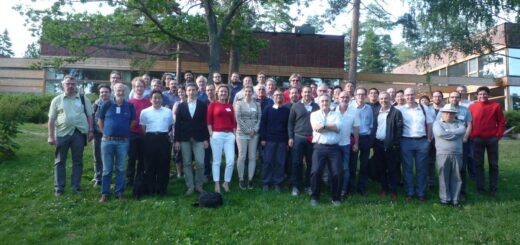
We recently celebrated the 30 year anniversary of HIP! To mark this occasion, the HIP Communications group organised the HIP Theme Week, which was decided to be the week 31 August – 4 September. This week includes the date exactly 30 years after the HIP Decree came into effect, 1 September, 1996. We collected ideas from HIP personnel for the theme week activities, and we ended up with a very diverse and entertaining programme to properly commemorate 30 fruitful years of research, collaboration and innovation at HIP!
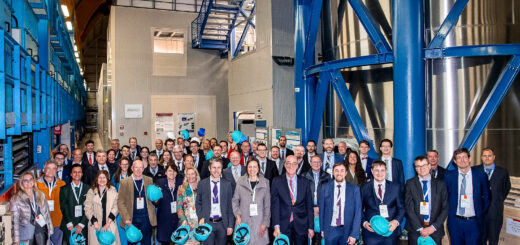
The Theme Week started with opening remarks by HIP Director Katri Huitu, who welcomed participants and reflected on HIP’s achievements over the past three decades. The opening was followed by a celebratory toast honouring the accomplishments of HIP researchers during the Institute’s 30-year history.
As part of the opening reception, twenty research posters produced by HIP researchers were displayed in the Physicum lobby, showcasing the cutting-edge and diverse research carried out within the Institute. The poster exhibition was subsequently requested for display during senior high school excursions on the campus. As a result, the exhibition remained on display beyond the official duration of the Theme Week. A list of the posters is provided at the end of the blog post (*).
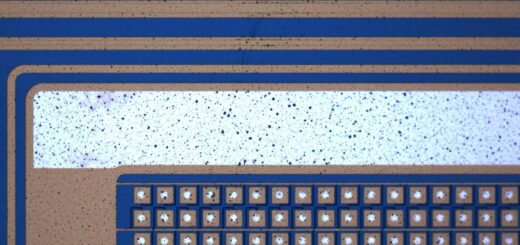
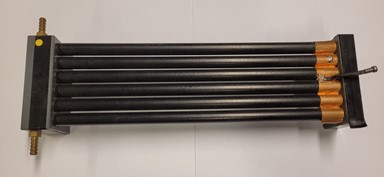
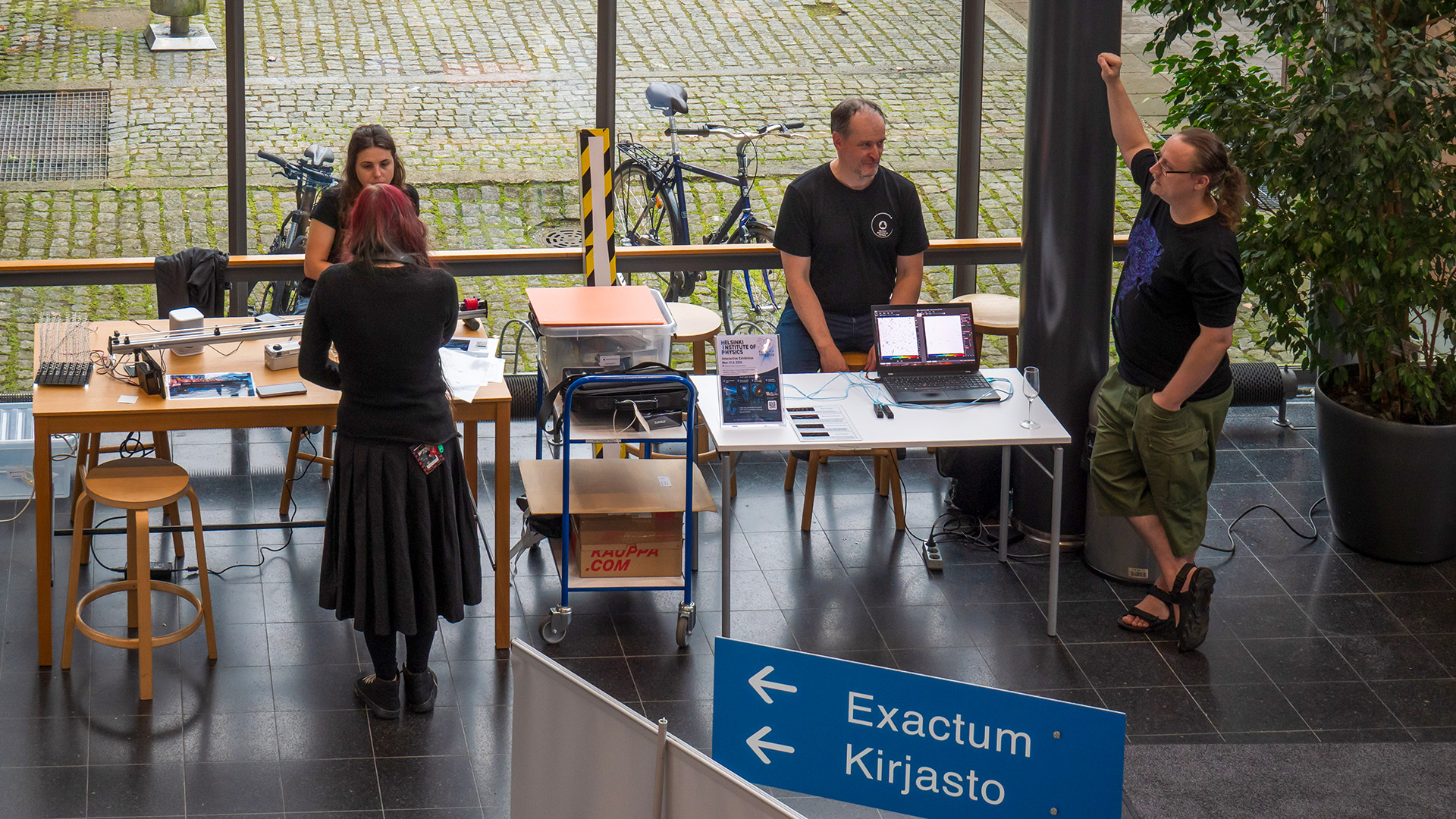
In addition to the opening remarks and poster session of HIP’s 30th Anniversary Theme Week, visitors could explore a small Detector Laboratory exhibition in the foyer. The display offered an opportunity to learn about detector technology, browse a microscope image exhibition featuring examples of so-called “defect art”, and try out a selection of hands-on games designed to lower the threshold for engaging with the subject through a more relaxed and playful experience. A particular favourite among visitors was the electromagnetic “linear accelerator” game. Despite its simplicity, it provides just the right amount of challenge, encouraging visitors to compete both against themselves and with one another
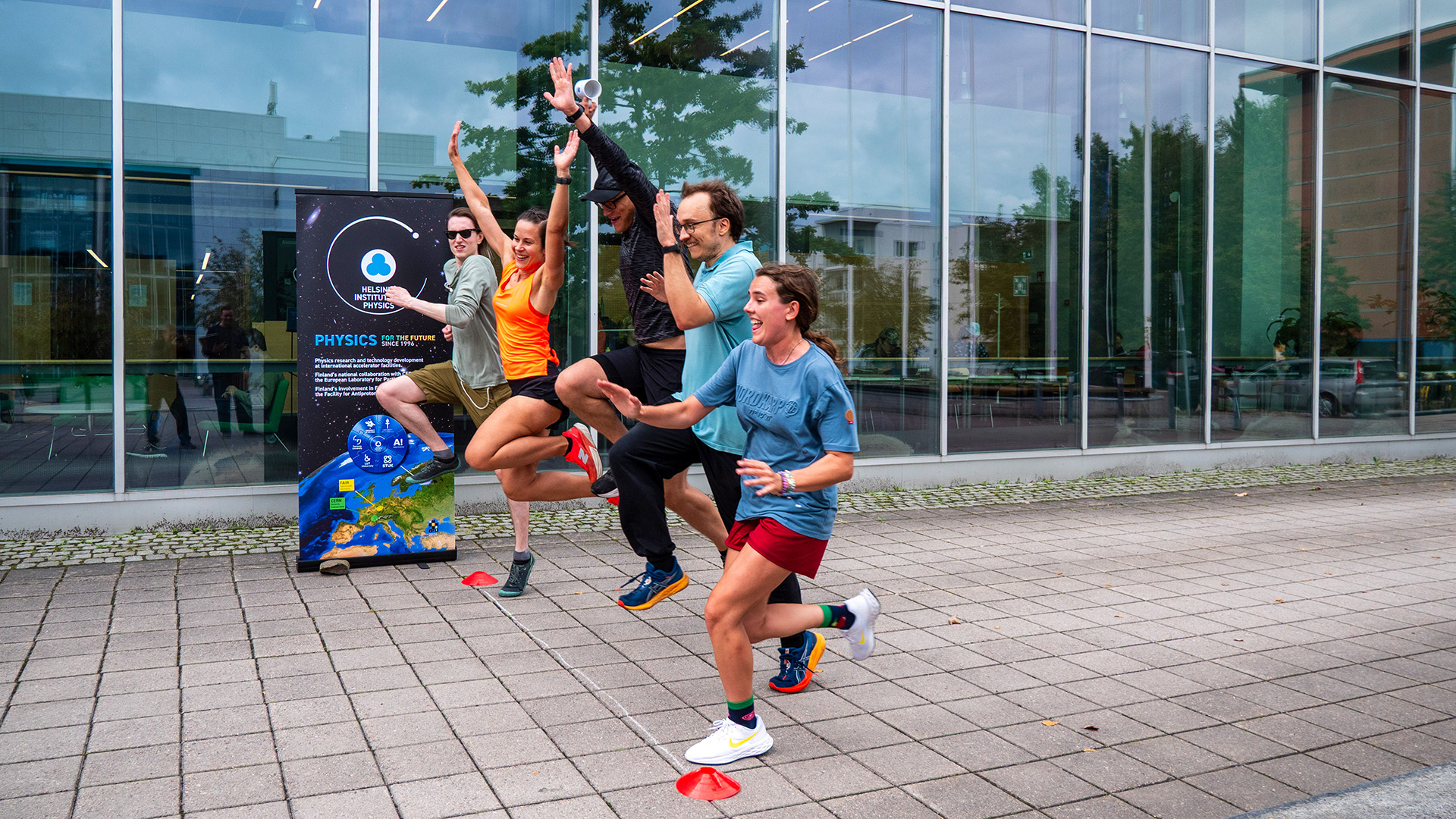
We kicked off Tuesday morning with an invigorating relay run around campus. Together with the Kumpula Running Club, we marked a 1km circuit around Kumpula, starting and ending outside Physicum. We had the goal of running 30km in total, to celebrate 30 years of HIP. We had a special HIP mug that was used as the baton, which passed between runners for each new loop.
The weather was on our side, and we had a team of 18 enthusiastic volunteer runners and many curious spectators. Together we successfully carried the HIP mug 30km around campus, in just under two and a half hours. The special HIP mug is now enjoying a well-earned rest in the HIP coffee room!
In the afternoon we calmed things down with some boardgames and snacks in the HIP coffee room. Someone even brought homemade brownies to mark the occasion! We had around 15 people take part in the boardgame session, with plenty of different game options. We had some very sneaky traitors in a game of Resistance, and careful strategising across multiple rounds of Dominion. The boardgame evening was very well received, and provided a good opportunity for new and old colleagues to have some fun together.
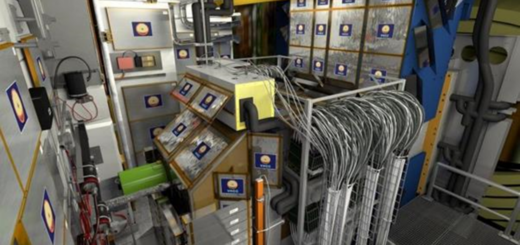
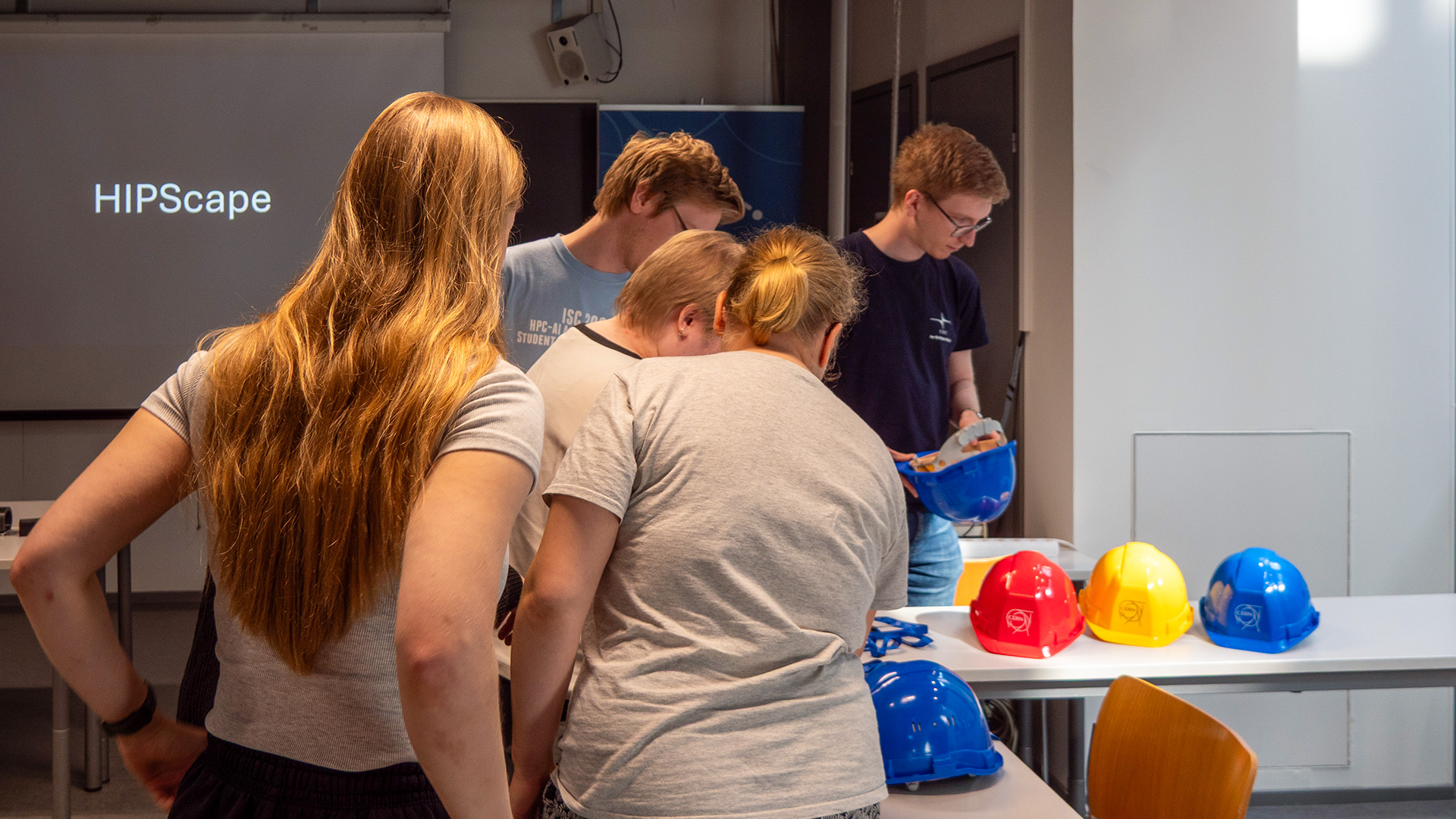
On Wednesday, we had two escape rooms running. The HIPscape Room stands out as an innovative, highly portable escape game built as a Helsinki adaptation inspired by the original particle physics game concepts from the University of Jyväskylä (JYU). HIPscape puts its own spin on high-energy physics by challenging players to successfully build the CMS experiment piece by piece. Designed to make complex nuclear and particle concepts engaging, the game’s core learning goals focus on familiarizing participants directly with the CMS experiment and the CMS detector structure, helping them understand its various layers and components. To achieve these goals, players work together through structured tasks over a fast-paced 30-minute session for up to eight players at once. Guided by detailed blueprint instructions, participants handle physical puzzle elements and solve challenges representing different parts of the detector, such as assembling the tracker, the electromagnetic calorimeter (ECAL), the hadron calorimeter (HCAL), and the magnet. By turning detector assembly into an interactive puzzle, HIPscape provided a fun introduction to particle physics that sparked curiosity among players, and left plenty of room for deeper discussions after the game.
We also had the ALICE-themed escape room α-scape running in Jyväskylä on Wednesday. The escape room was organised in four 45-minute time slots, with up to six participants in each session. Players worked together to solve a variety of puzzles related to the ALICE experiment and particle physics, ranging from gluon-themed challenges to questions about the magnets inside the LHC. Colleagues from several different research groups came to put their problem-solving skills to the test, and the event was very well received. Participants particularly enjoyed the atmosphere of the escape room and the challenge of working together to solve all the puzzles.
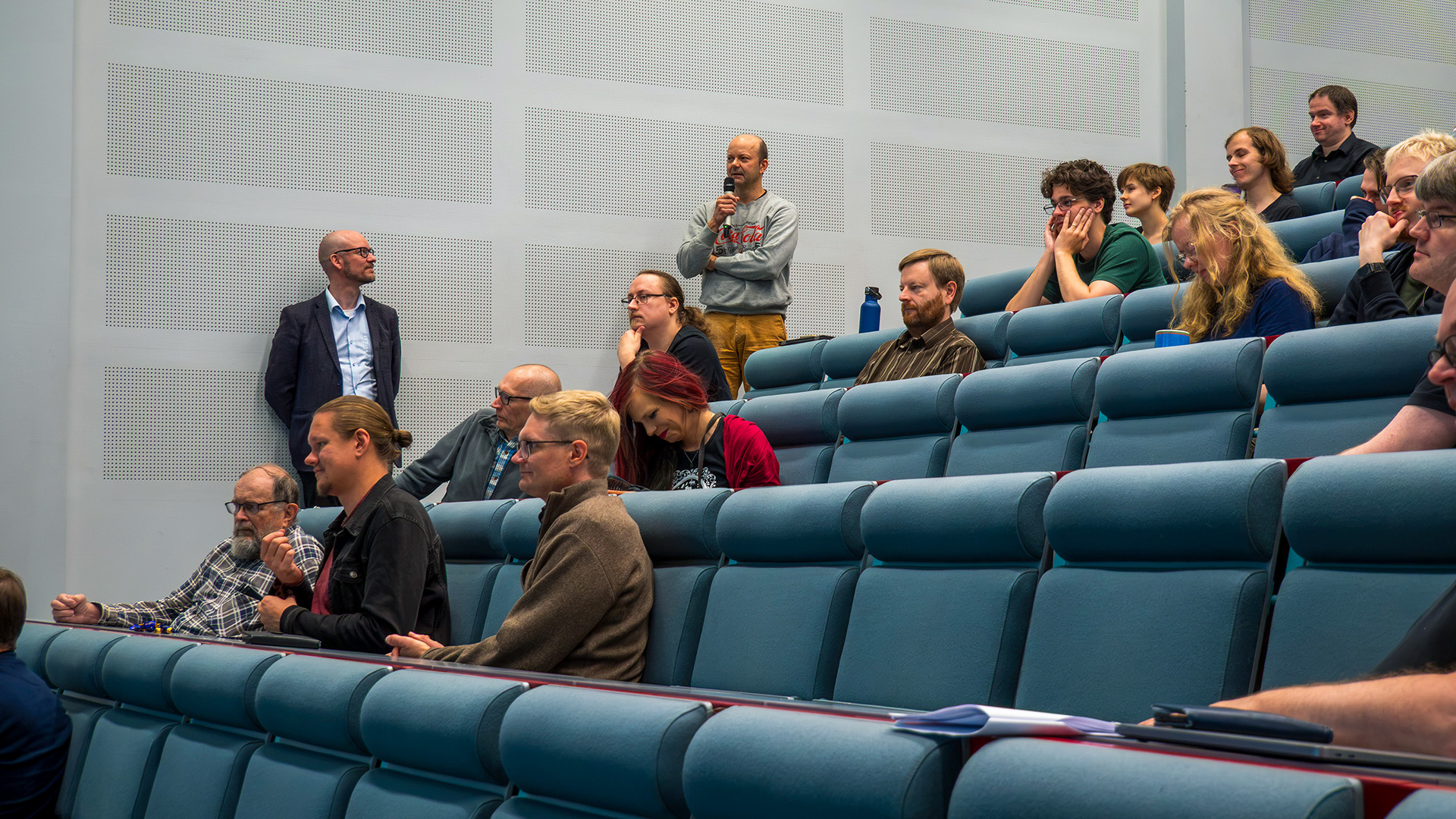
On Thursday afternoon, Antti Väihkönen welcomed participants to an afternoon of talks celebrating both HIP’s history and its current scientific activities. The programme began with a historical overview, “HIP – 30 Years on the Path of Science,” presented by Mikko Sainio, highlighting the Institute’s development and key milestones since its establishment. The historical presentation was followed by six scientific talks representing HIP’s research programmes in Theory, CMS, ALICE and Technology:
- Heikki Mäntysaari: The Many Faces of QCD Matter
- Anca Tureanu: Neutrinos: Creating and Illuminating Enigmas in Particle Physics
- Santeri Laurila: Mapping the Higgs Boson: From Discovery to Diligence
- Nurfikri Norjoharuddeen: Hadronic Jets in CMS: Past, Present & Future
- Neelkamal Mallick: Jet Quenching in Light-Ion Collisions with ALICE at the LHC
- Pejman Habibiroudkenar: Robot Mapping and Navigation for Inspection Tasks in CERN Facilities
Together, the presentations showcased the breadth of HIP’s research activities, ranging from fundamental theoretical physics to experimental particle physics and technological innovation.
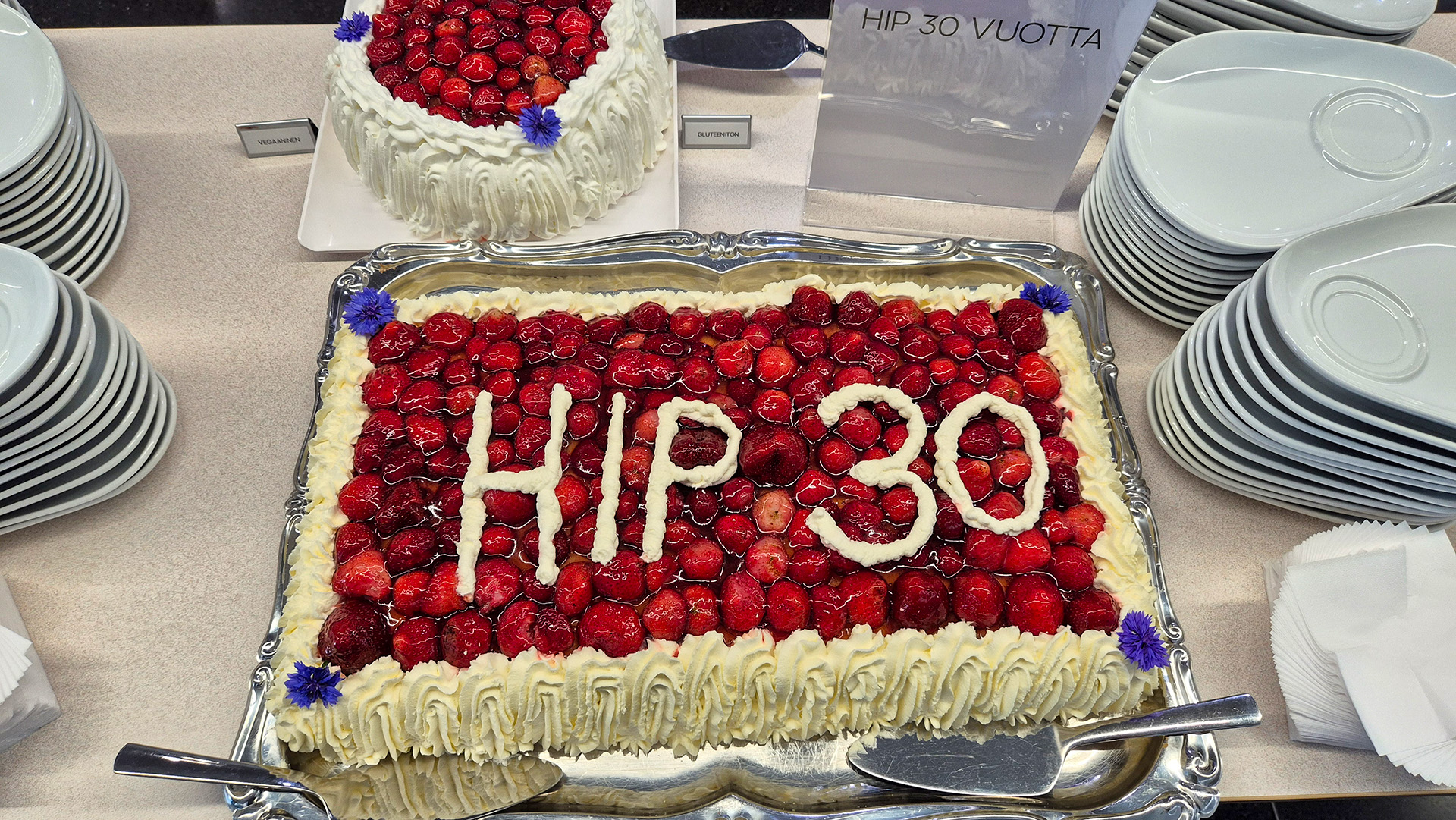
During the intermission between the sessions, participants were served coffee, tea and a celebratory cake decorated with the inscription “HIP 30 Years.” The refreshments provided an opportunity for informal discussions and networking among participants.
On Friday it was time for amore entertaining program, inspired by the research fields of HIP. First, Timo Kärkkäinen gave a presentation “Physics in Angels and Demons”, where he discussed Dan Brown’s best-selling mystery-thriller book Angels and Demons from a physicist’s perspective, focusing in particular on aspects of CERN, antimatter and particle physics. In this “public examination”, inaccuracies and misconceptions were rigorously pointed out in a humoristic way. Secondly, Deanna C. Hooper gave a presentation on “Cosmology in Sci-Fi”. They first discussed in general how scientific correctness is quite carefully followed in some science-fiction movies, while in some not at all. Then they presented various popular cosmological concepts such as black holes, warp drives and time travel, and discussed their scientific and technological limits, showing that indeed it is possible to produce scientifically accurate science-fiction.
Finally, after Katri Huitu’s closing words of the HIP 30 years theme week and a lunch break, the week concluded with a screening of the“Particle Fever” movie, an American documentary film covering the period of 2008-2012, and presenting the beginning of operation of the LHC collider at CERN to the discovery of the Higgs boson. The film follows the work of experimental physicists and theoretical physicists and shows the moments of strong emotions during the pursuit of the particle which completed the Standard Model. As the HL-LHC collider is being prepared to start in 2030, this movie reminds us of the exciting times of the start-up of a new collider.
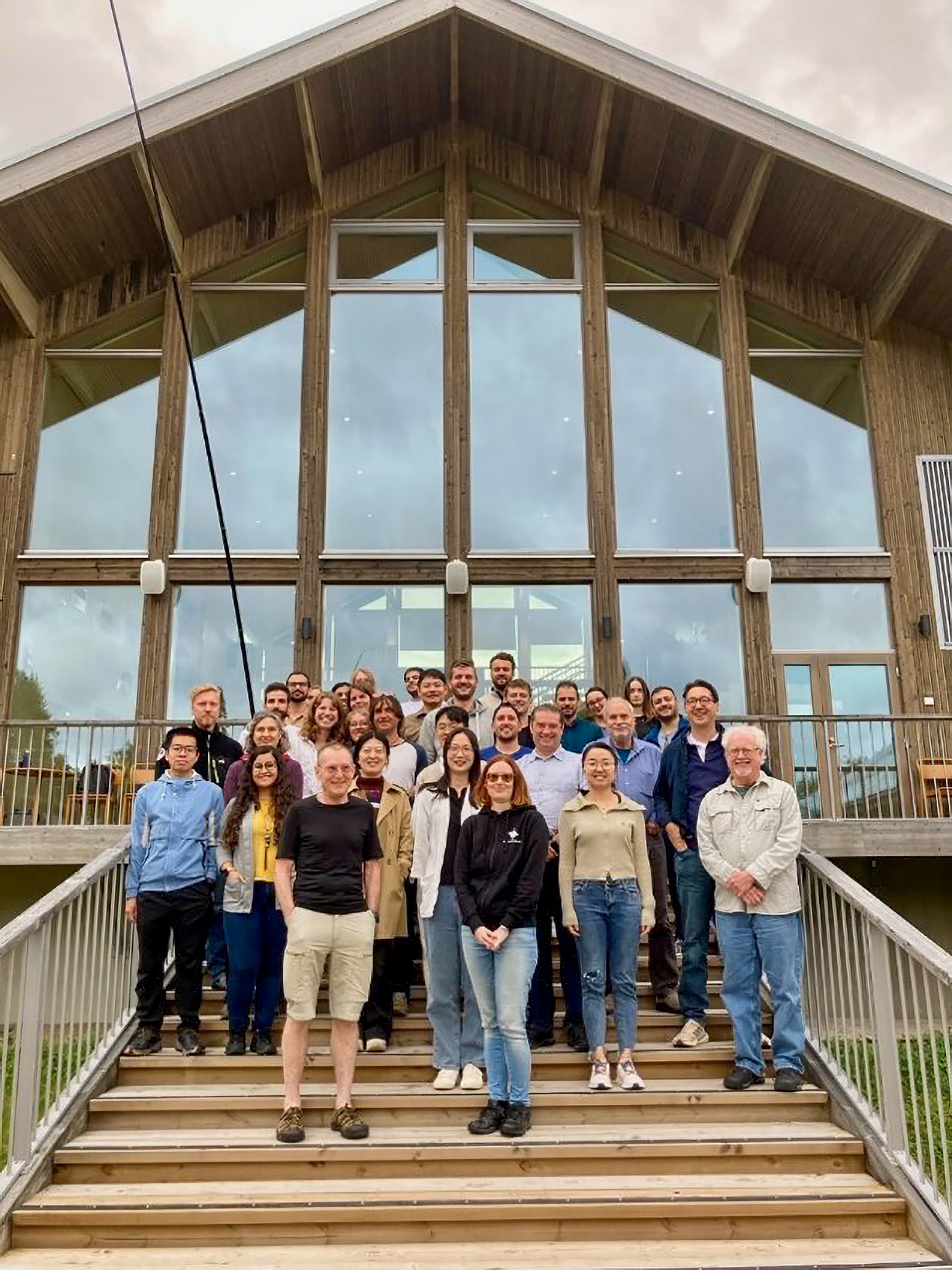
We were very happy to see the HIP community come together to celebrate 30 years of our institute. We look forward to a bright future for the Institute!
(*) List of posters presented for the HIP Theme Week:
- Aula Al-Adulrazzaq, Matti Heikinheimo, Sebastian Sassi, Kimmo Tuominen: Migdal effect in solid state dark matter detectors
- T. Chatzistavrou, Punnawich Chokeprasert, T. Lampén, D. Näsman, N. Toikka, M. Voutilainen: Automated Jet Energy Correction for Prompt Data in the CMS experiment (JEC4Prompt)
- Milad Ghaemi, Flyura Djurabekova: Growth of Nb films on Cu substrates by direct current and high power impulse magnetron sputtering: a molecular dynamics study
- Tushar Gupta, Matti Heikinheimo, Katri Huitu, Harri Waltari: Freeze-in and Freeze-out in a Right-Handed Neutrino Extended MSSM with a Seesaw Mechanism
- Simone Blasi, Andreas Ekstedt, Jaakko Hällfors, Kari Rummukainen: Domain-wall-seeded nucleation on the lattice
- Antti Hippeläinen, Niko Jokela, Matti Järvinen: Holographic Structure of the Proton
- Olavi Kiuru: Strong-field quantum electrodynamics in magnetar magnetospheres
- Roni Koitermaa, Marzhan Toktaganova, Andreas Kyritsis, Tauno Tiirats, Veronika Zadin, Flyura Djurabekova: Coupled simulations of vacuum arc plasma and surface phenomena
- Roope Jukkara, Sami Lehti, Tomas Lindén, Mikael Myllymäki, Ville Salmela, Tommi Tervo: ALIC- and CMS experiments disk storage upgrade for LHC Run 3
- Katrianne Lehtipalo, Jiali Shen, Xu-Cheng He, Wenjuan Yum Douglas Worsnop, Markku Kulmala, Tuukka Petäjä et al: CLOUD experiment
- Werner Lipsunen, Aleksi Leino, Anton Lechner, Flyura Djurabekova: Atomistic Insights on Effects of High-Energy Recoils in Titanium for Proton Beam Window Applications
- Atte Kokko, Sami Lehti, Anna Milieva, Fedir Musonov, Kenneth Österberg for the CMS collaboration: Validating the CMS precision proton spectrometer Run 3 data using central exclusive muon pair production
- Pablo Navarrete, Aapeli Kärkkäinen, Mika Nurmela, Risto Paatelainen, Kaapo Seppänen, Aleksi Vuorinen: Quark matter at four loops: hardships and how to overcome them
- Fredrik Oljemark, Kenneth Österberg on behalf of the TOTEM collaboration: Study of single diffractive processes in proton-proton collisions with the TOTEM experiment
- Niko Jokela, Aatu Rajala,Tobias Rindlisbacher: QFT Thermodynamics from Entanglement Entropy
- Sebastian Sassi, Aula Al-Adulrazzaq, Matti Heikinheimo, Kimmo Tuominen: Zebras Run Fast: Zernike-based Radon Transforms in Direct Detection of Dark Matter
- Yamna Shaikh: Vertex Reconstruction in HIBEAM Searching for Neutron-Antineutron Oscillations