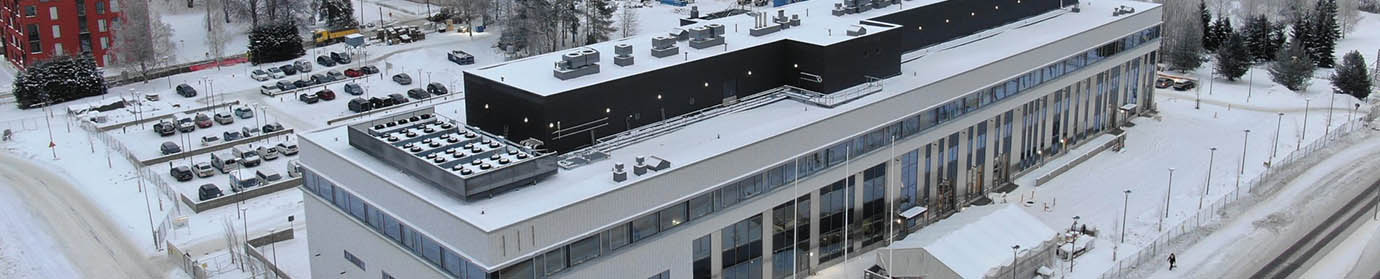
HIP Detector Laboratory upgrade – cleaner, colder, and better controlled measurements
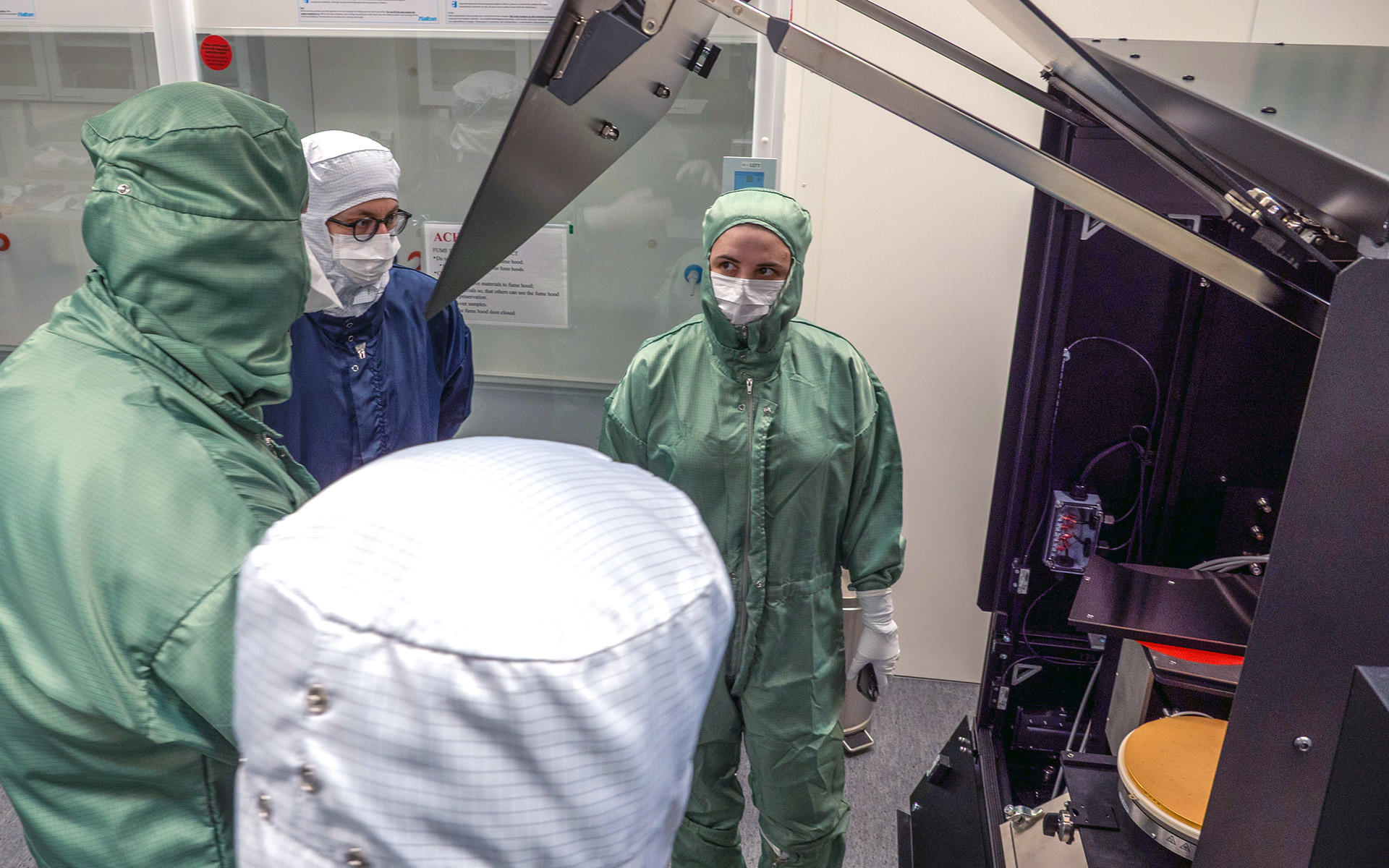
The HIP Detector Laboratory has recently gone through a major upgrade of its clean rooms and laboratory spaces. The work brings long needed improvements to a facility that supports detector development for projects such as the CMS upgrade, ALICE, MoEDAL and other research activities using the laboratory infrastructure.
Some of the most important changes are not the most visible ones. Improved air flow monitoring, ventilation control, pressure regulation are now part of the laboratory upgrade. The existing particle counter has also been made mobile, so it can be moved to the location where it is needed, for example during sensitive manufacturing or inspection work. These systems reduce the risk of sample contamination and make the working conditions easier to monitor during measurements, handling and assembly work.
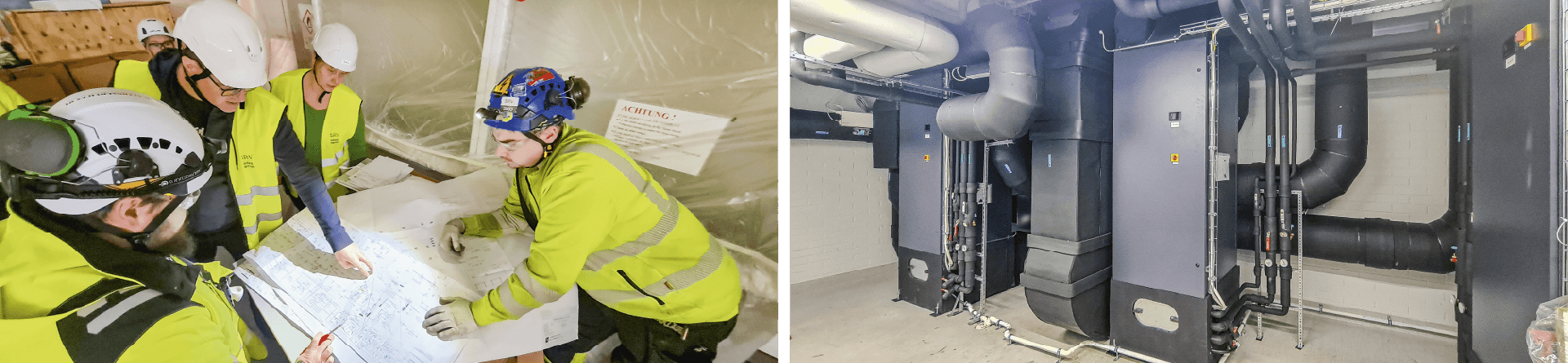
Clean rooms are often the central place for the most sensitive detector work. The Detector Laboratory clean room facility includes a dressing room, one ISO5 room and two ISO6 rooms. Air is circulated through HEPA filters, and the rooms are operated under controlled temperature, humidity and overpressure conditions. The rooms are normally operated at 20 °C and 45% relative humidity, with an overpressure of around 50 Pa. This overpressure helps prevent particles from flowing into the clean rooms from the surrounding areas. In practice, the air system is part of the laboratory infrastructure in the same way as the measurement instruments are.
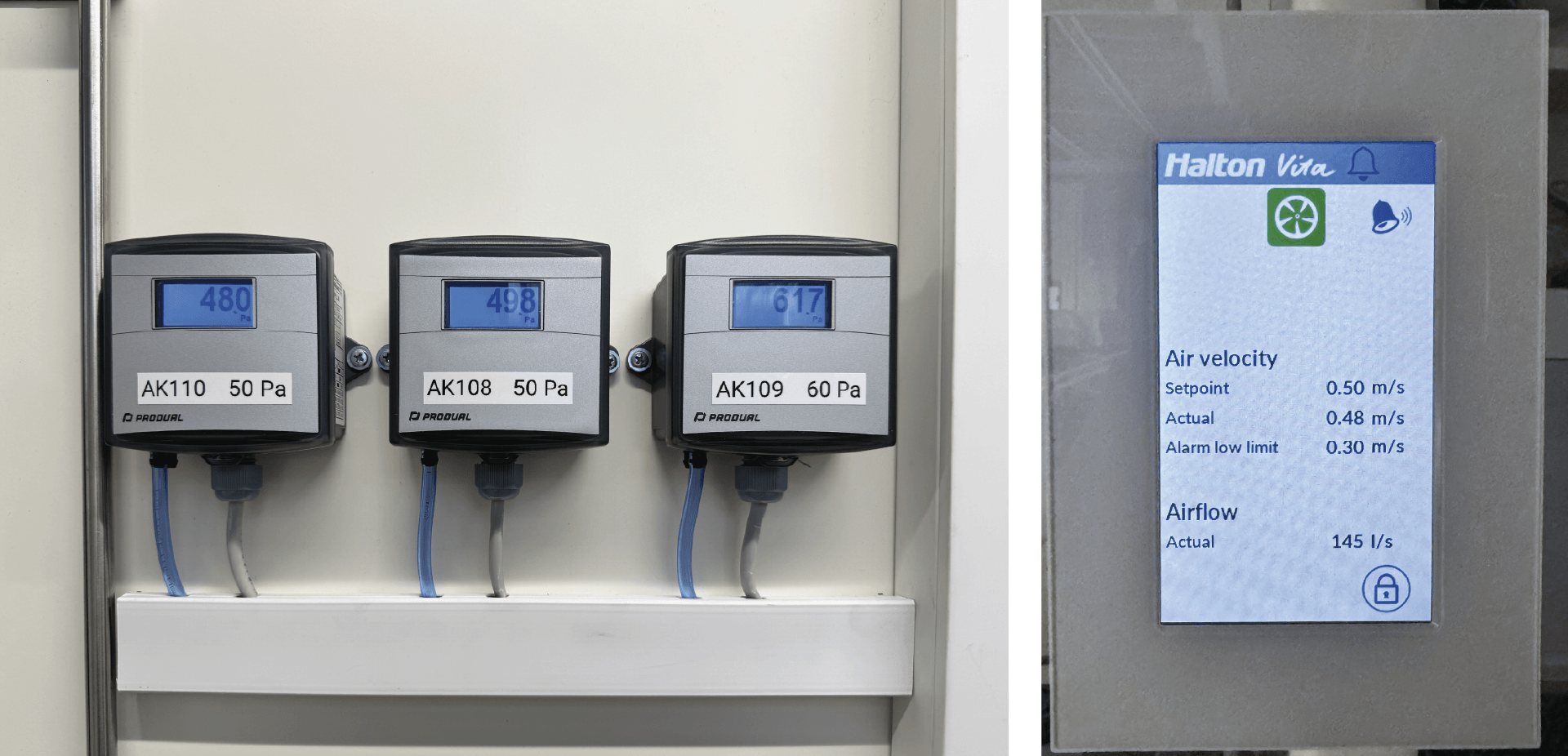
Airflow is now also monitored in the fume hoods using built-in monitoring systems. This supports safer and more consistent chemical work, especially in a shared laboratory where several users and projects work with the same infrastructure.
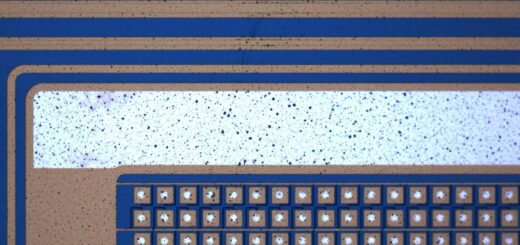
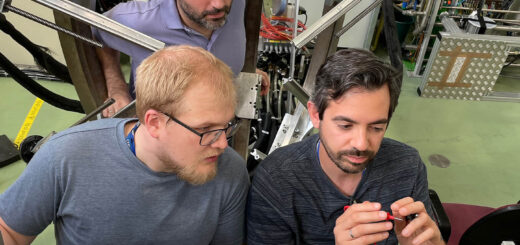
The most visible new instrument in the clean room is the SemiProbe semi-automatic probe station equipped with a temperature-controlled, high-voltage 8‑inch chuck. This feature extends the measurements range from -40 °C to 200 °C, allowing sensors to be tested under controlled cooled and heated conditions. The system was acquired for CMS upgrade-related work for radiation damage, and timing studies, where sensors often need to be measured under controlled temperature conditions. The new probe station allows electrical measurements on detector structures, test samples and wafers as well as various prob cards, making multi-contact measurements more practical.
The clean room also hosts multiple manual, and a automatic wire bonders used by several projects. Wire bonding is a sensitive step because small detector structures need reliable electrical contacts before they can be tested or integrated into larger assemblies. Keeping these systems in a cleaner and better monitored environment supports stable and professional bonding work across different projects.
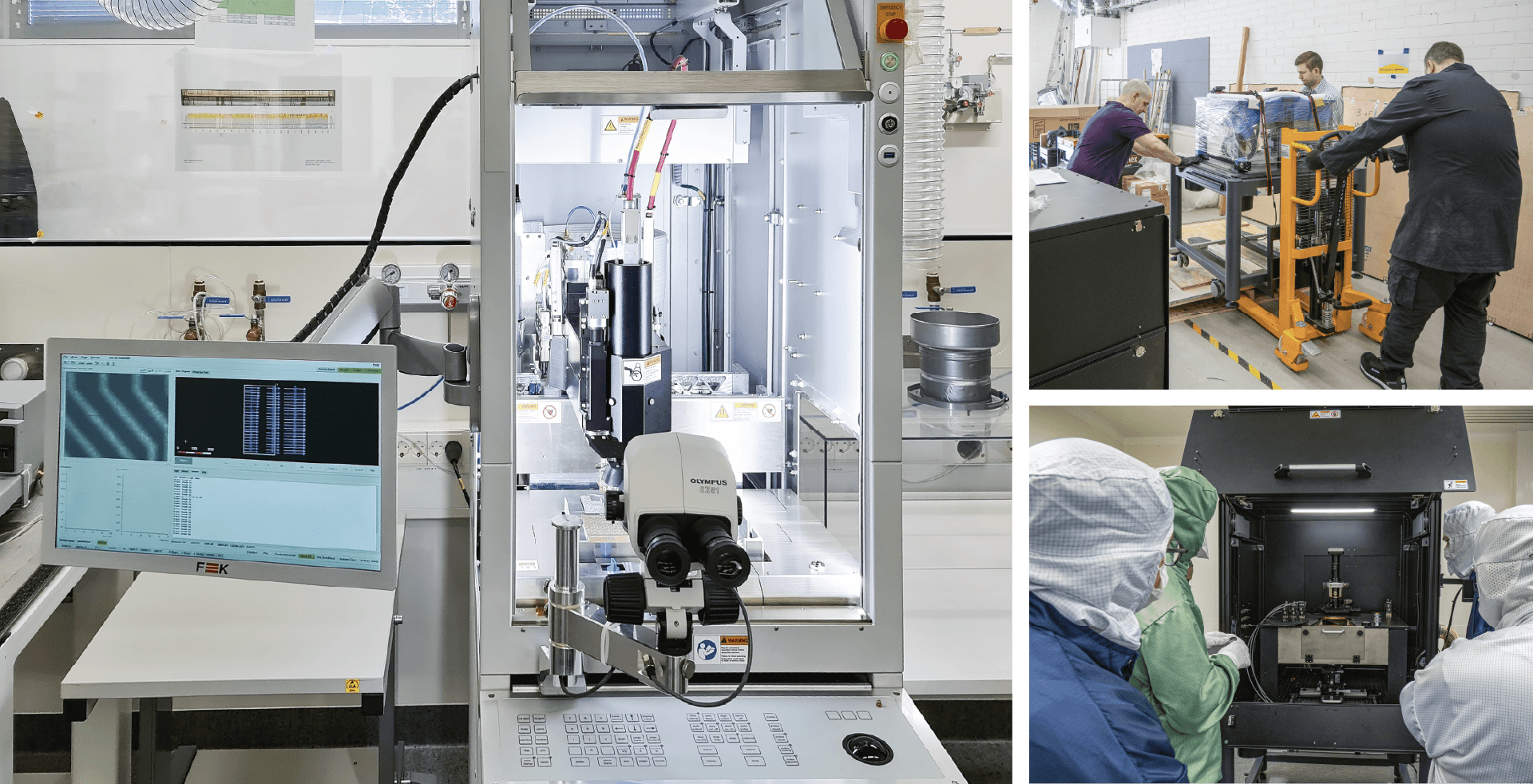
Other clean room tools also found their place in the upgraded layout. These include the optical scanning system, profilometer, manual flip-chip bonder and dry cabinets for storing samples and components under cleaner conditions.
Another practical improvement is the installation of connected PC stations around the laboratory. These allow users to record measurements directly into the electronic logbook or another preferred logging system, making it easier to track work progress during longer measurement campaigns.
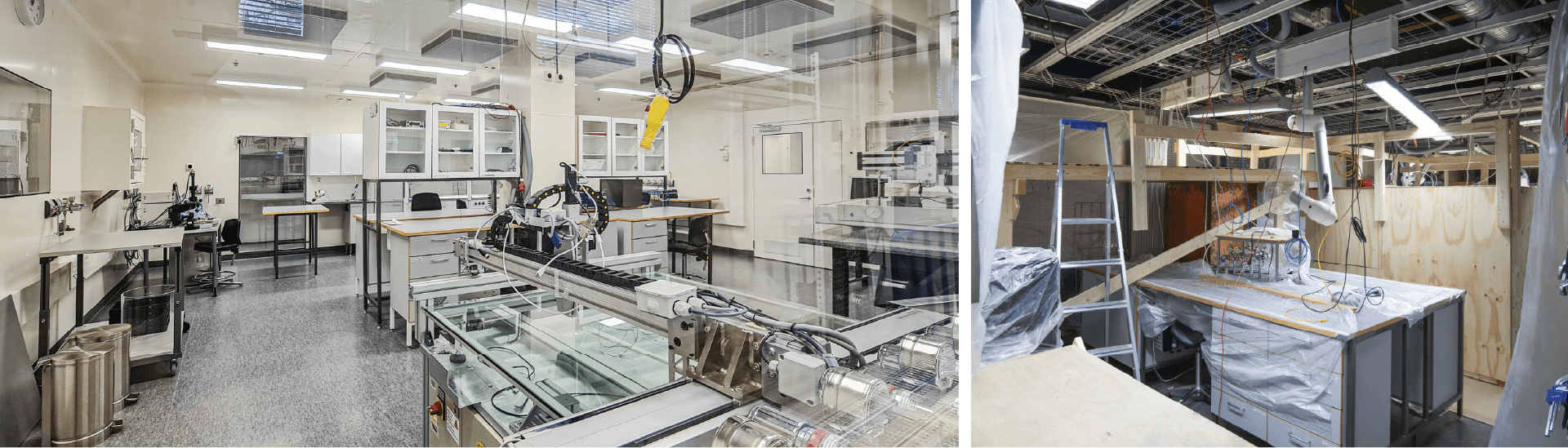
The upgrade was not limited to the clean rooms. The upstairs laboratories were also reorganised and improved. Lighting and room air conditioning were upgraded as part of the renovation work, including in the dark room area used for infrared scanning and TCT measurements. This room previously had limited air circulation because of its closed setup; it now has its own improved airflow. The upstairs laboratory now also hosts two probe stations. The Karl Süss manual probe station is used for sample and wafer measurements, while the semi-automatic probe station supports CMS probe card testing. Its automated stage and probe card setup allow more repeatable channel testing than fully manual positioning.
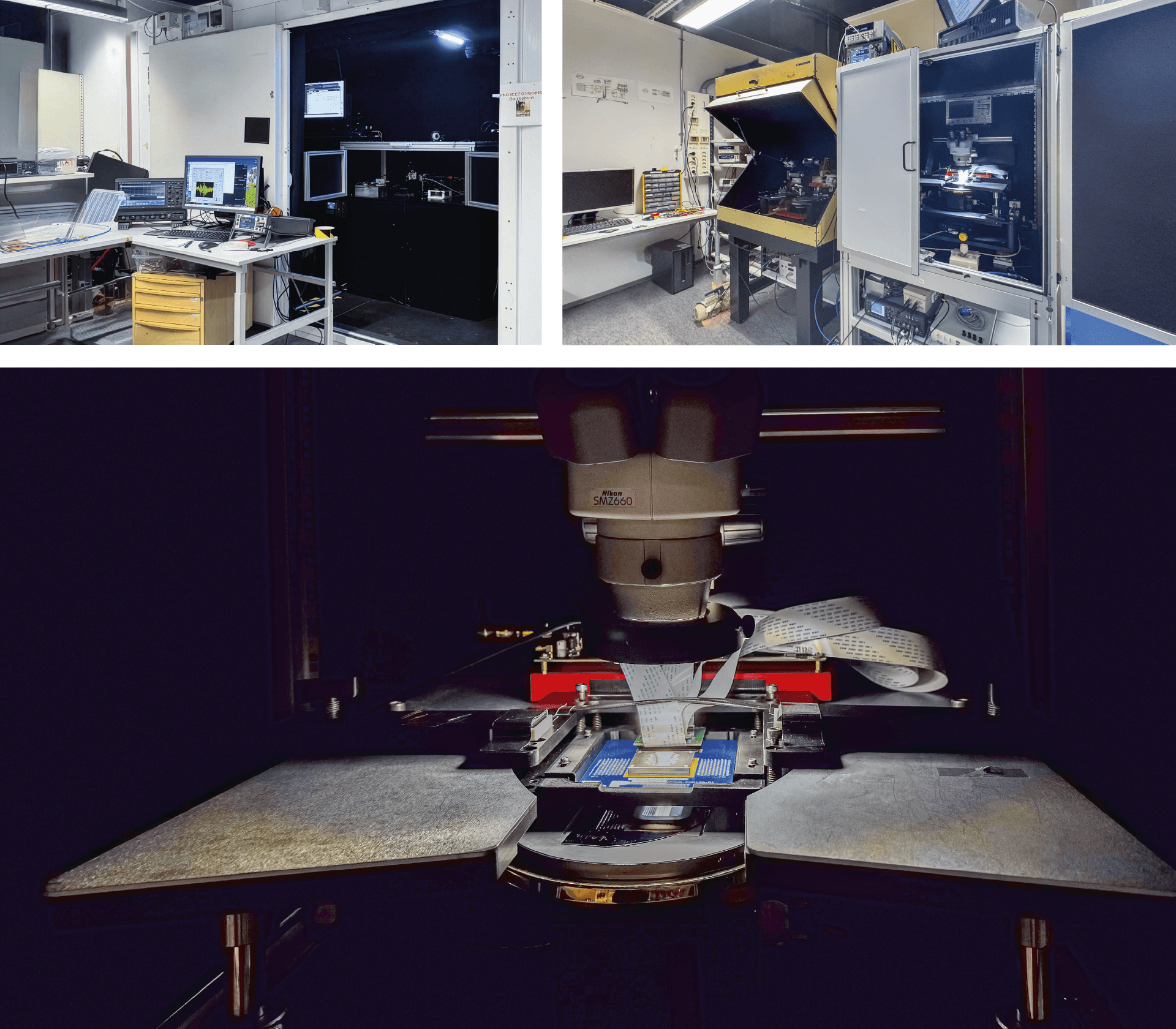
The TCT setup has also been upgraded with a UV laser for wide band gap semiconductor studies. As radiation-hard detector research moves toward new materials, charge collection studies require laser wavelengths matched to those materials. The new UV laser adds to the existing red, NIR and IR laser options and expands the range of samples that can be studied with the system.
After a long-awaited refurbishment, the laboratory infrastructure is again fully operational. The upgraded clean rooms, probe stations and supporting measurement tools make the HIP Detector Laboratory better prepared for future research work. Upgrades to the laboratory’s infrastructure and technology also encourage the continued refinement of working practices, including documentation and procedures: laboratory work is a continuous process of development towards a more effective environment in which top-level results are achieved through collaboration.
Mihaela Bezak
Laboratory engineer
Detector Laboratory, Helsinki Institute of Physics